
Customs Tariff Framework & Duty Structure
Nigeria follows the ECOWAS Common External Tariff (CET) system and employs the Harmonized System (HS) for classification. Import duties are calculated either as specific or ad valorem (a percentage of the CIF value), and are payable in Nigerian naira at the port of entry. These tariffs are non-preferential, applying uniformly to all non-ECOWAS countries.
Under the ECOWAS CET:
Essential goods (capital equipment, medicines): 0%
Raw materials: 5%
Intermediate goods: 10%
Finished consumer goods: 20%
Sensitive/protected goods: 35%
However, Nigeria often adds supplementary duties, import adjustment taxes (IAT), excises, and VAT—especially on vehicles (based on engine capacity), luxury items, and agricultural products—raising effective rates well above these bands.
Tariff Refunds & Special Duties: If imported goods are re-exported, abandoned, destroyed, or damaged while under customs control, it’s possible to claim duty refunds within 90 days—for destroyed goods, a certificate from a customs officer is required; for re-exports, proof of landing in another country is needed. Special duties may also be imposed if the government determines that imported items are being dumped or unfairly subsidized, potentially harming local industries.
Digitization of Customs Processes: Nigeria is actively digitizing its customs operations. The Single Window Portal enables traders to submit necessary documents and pay duties online, integrating submission with the Pre-Arrival Assessment Report (PAAR) system to streamline clearances.
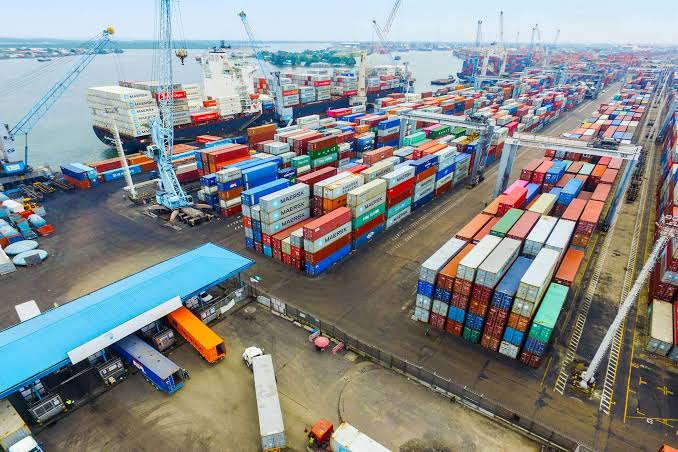
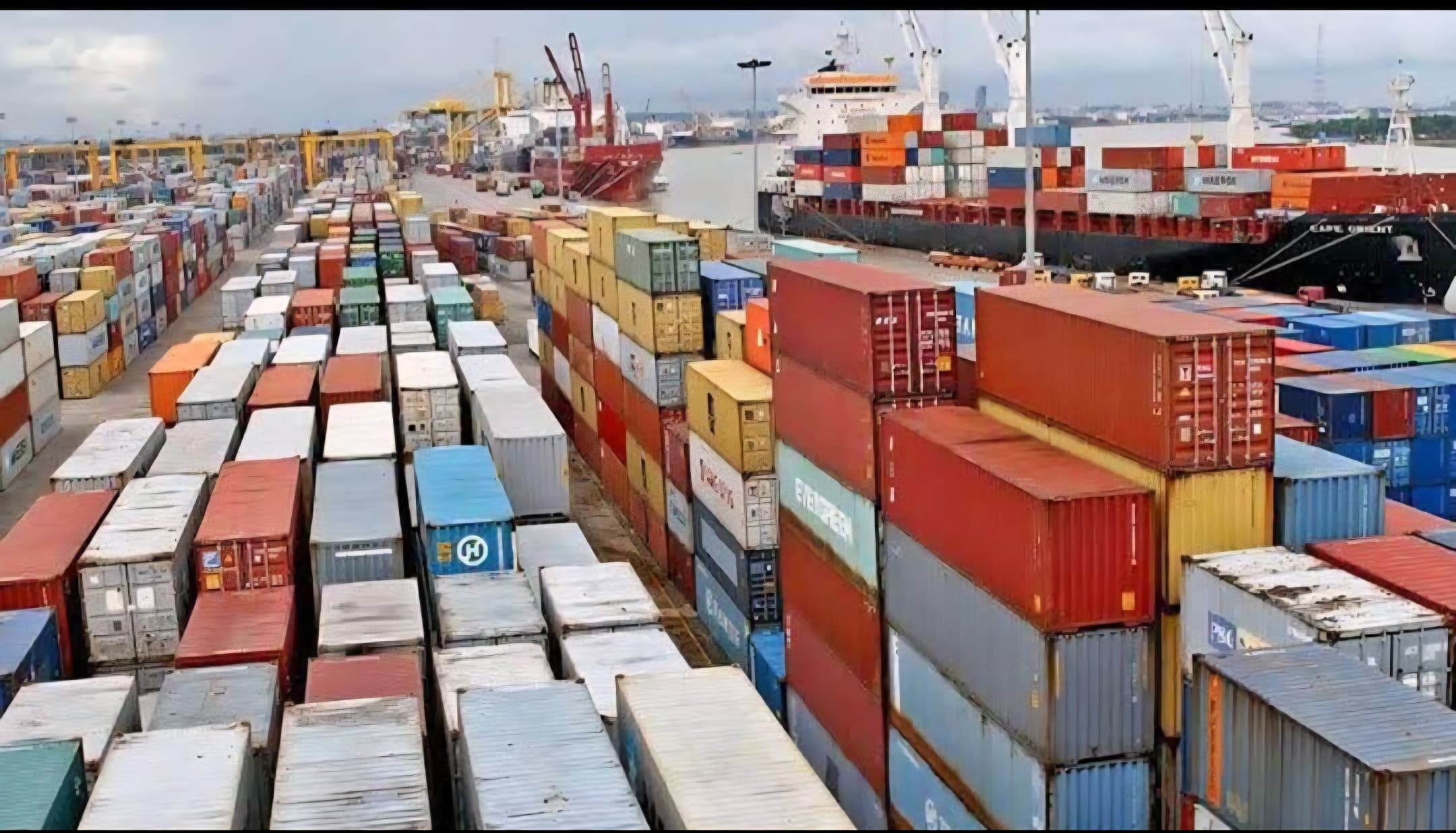
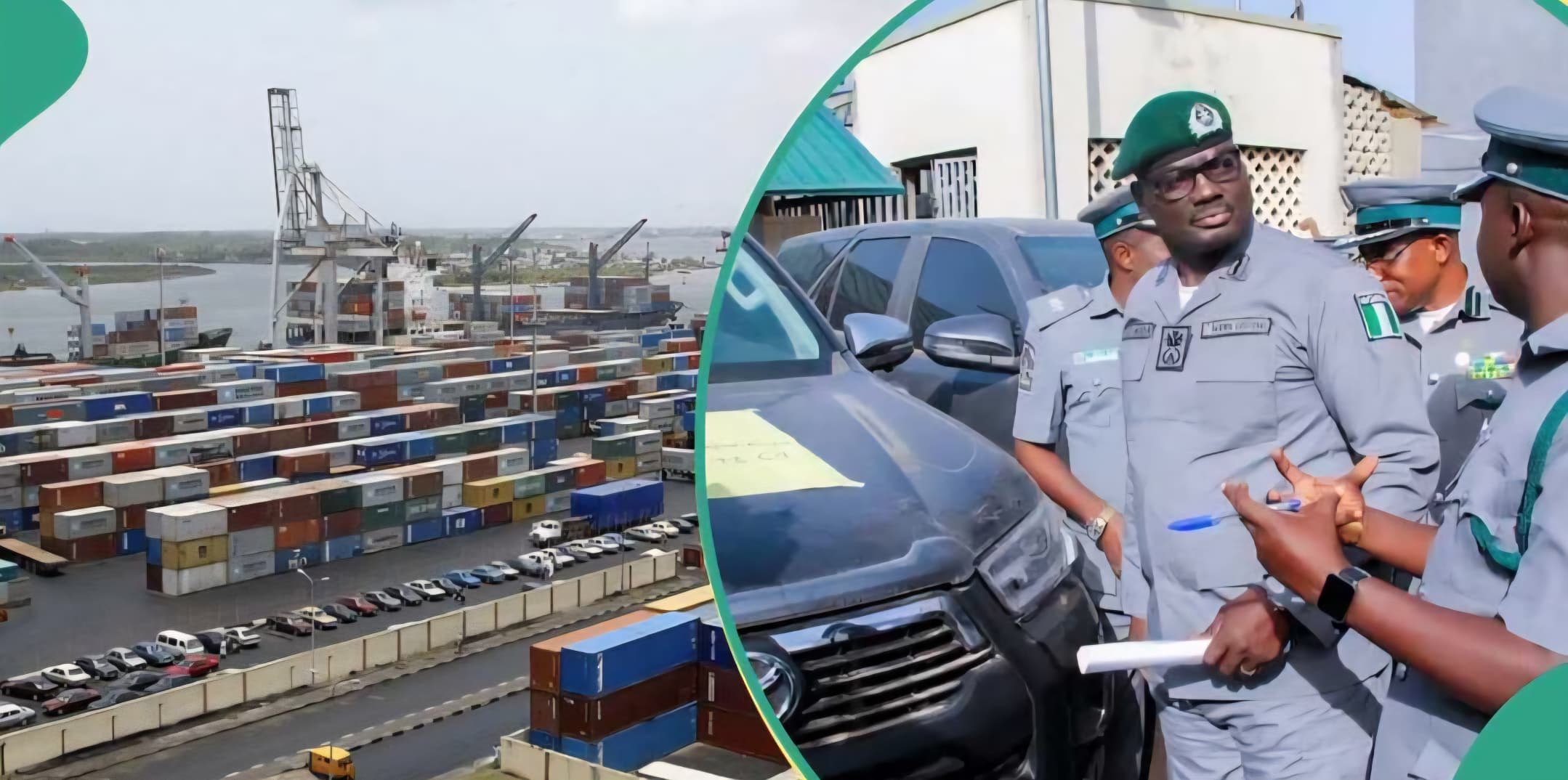
Trade Barriers & Clearance Challenges: Destination inspection is now mandatory for all imports, replacing the former pre-shipment inspection model. While meant to improve compliance, this shift has led to longer clearance times, partly due to underused or malfunctioning scanners at major ports like Apapa. Reforms introduced under the Nigeria Customs Service Act (2023) aim to improve efficiency—these include reductions in congestion, implementation of a 48-hour cargo clearance target, and expanded use of the Authorized Economic Operators (AEO) program.
Insurance Requirements: All imported goods must be insured by a Nigeria-registered local insurance company before customs clearance—this is non-negotiable.
Why This Matters for Your Business
If you’re handling clearing goods and cargos in Nigeria, whether by sea, road, or RORO, here’s why this matters:
Accurate paperwork matters—misclassification or incorrect CIF values can lead to overpayment or penalties.
Use of digital systems like the Single Window Portal and PAAR dramatically speeds up releases.
Choosing the right shipping option, particularly for goods subject to supplementary levies or vehicles with engine-based IAT, is vital.
Understanding refund and special duty mechanisms can save significant costs when consignments are returned or destroyed.
Relying on professional clearing agents in Nigeria, freight forwarding agents, or shipping agents in Nigeria helps you navigate these complexities efficiently.
Nigeria’s customs system blends HS tariff classification, digital modernization, and destination inspection into a framework that requires procedural precision. From duties and insurance to clearance systems and potential refunds, staying compliant ensures smoother import experiences.
At Clearcargonigeria, we support seamless imports and exports in Nigeria, helping you handle your shipment customs clearance with required documentation and navigating customs regulations. Contact-us now to see how we can simplify your next shipment with expertise in custom procedures and trusted cargo services in Nigeria.